Brand Context as a Mutable Runtime State Agents Observe Not a Snapshot They Inherit
Agents need live, versioned brand rules queried at runtime, not static copies inherited at setup.
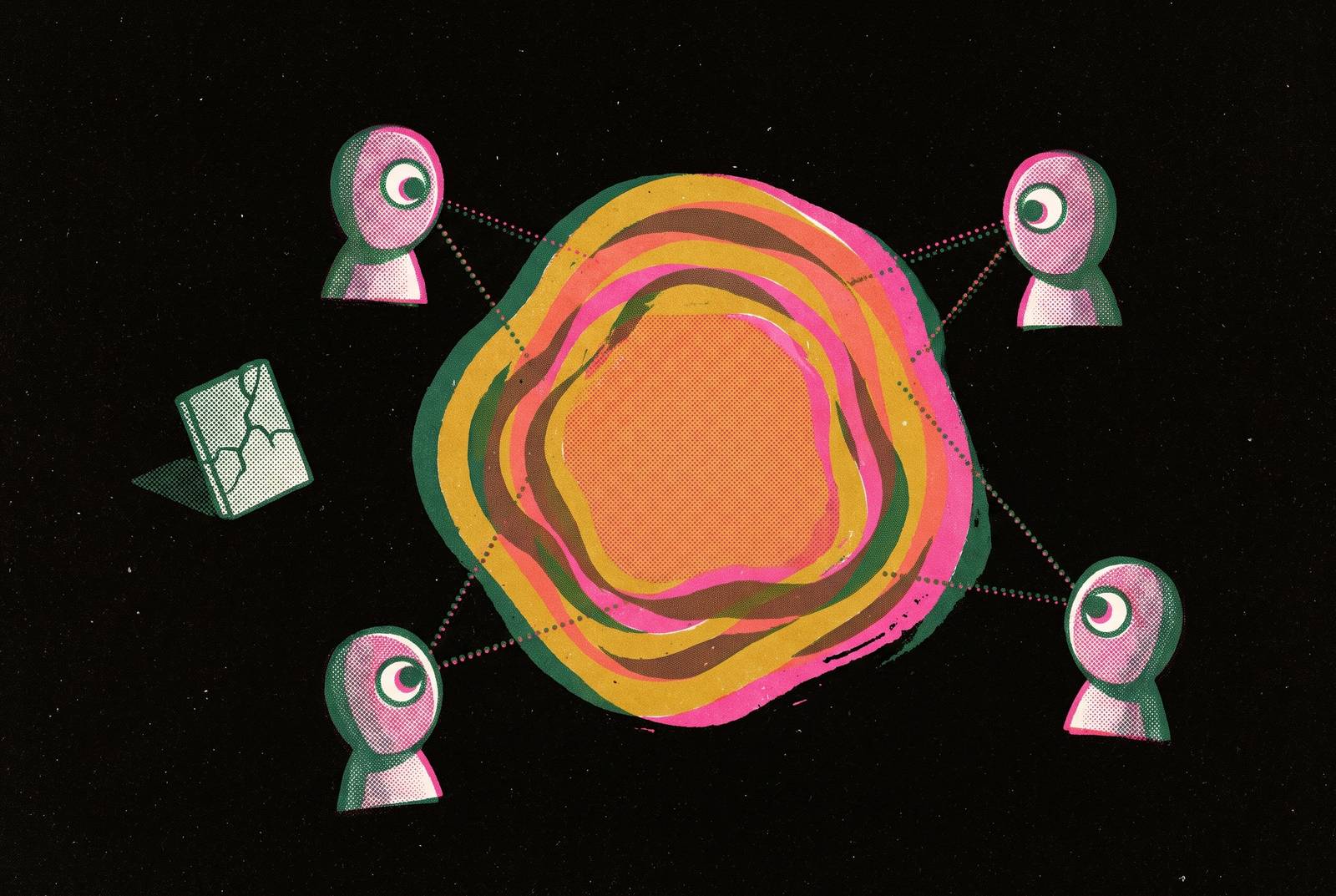
The brand layer for agents is a shared, machine-readable source of identity, voice, and governance that agents query at inference time. Keeping agents on brand without constant manual prompting requires treating that context as mutable runtime state. A live, versioned source gives compatible agents the same current rules, while task-scoped retrieval and traceable review make those rules usable in production.
Why static brand documents fail in agentic workflows
Teams write detailed guidelines and still receive inconsistent AI output. Brand guidance usually lives in a PDF, a Notion doc, or a system prompt copied into each agent session separately. Once distributed, those copies have no automatic connection to changes at the source. Updating the guidance does not update the agents that depend on it.
That separation creates a recurring maintenance burden. The same fixes get rewritten for each new tool, while sessions already running keep the version they were given. Agents working without current brand context improvise, producing responses that can be plausible and well formed but wrong for the brand. The failure need not throw an error or appear in technical logs.
Brand identity is business context, and incomplete, ambiguous, or outdated context undermines an agent even when the underlying model can reason well. More exact wording in the source document improves only the copy that some agents may never receive.
What agentic observe-decide-act loops demand from context
Anthropic describes production agents through an observe-decide-act loop, in which each action changes the state the next pass must reason about. A snapshot retrieved at session start does not change with that loop. The agent can therefore continue making decisions from a picture that no longer matches its operating conditions. Each subsequent step inherits that mismatch unless context is refreshed.
Tone, visual treatment, and channel choices establish the baseline for later decisions. If brand state changes between sessions, or other agents make parallel changes, an earlier choice may no longer be valid. A decision can be locally reasonable yet globally inconsistent. The agent needs access to current state when it decides.
Salesforce's 2026 agent trends distinguishes prompt engineering, which optimizes the question, from context engineering, which optimizes the conditions under which it is answered. The harness manages context, permissions, and tool access, and can determine behavior more than model selection does. Even a model that can reason well makes confident mistakes when its context is poor. Runtime freshness is therefore a production requirement.
What brand context must contain to be machine-readable
Moving brand guidance into a machine-usable system requires more than changing its file format. Agents need knowledge of what brand entities mean, expertise about how to use them, and norms defining what is allowed. These are different forms of instruction. A palette describes available colors, but does not establish which treatment fits a channel or whether a particular use requires approval.
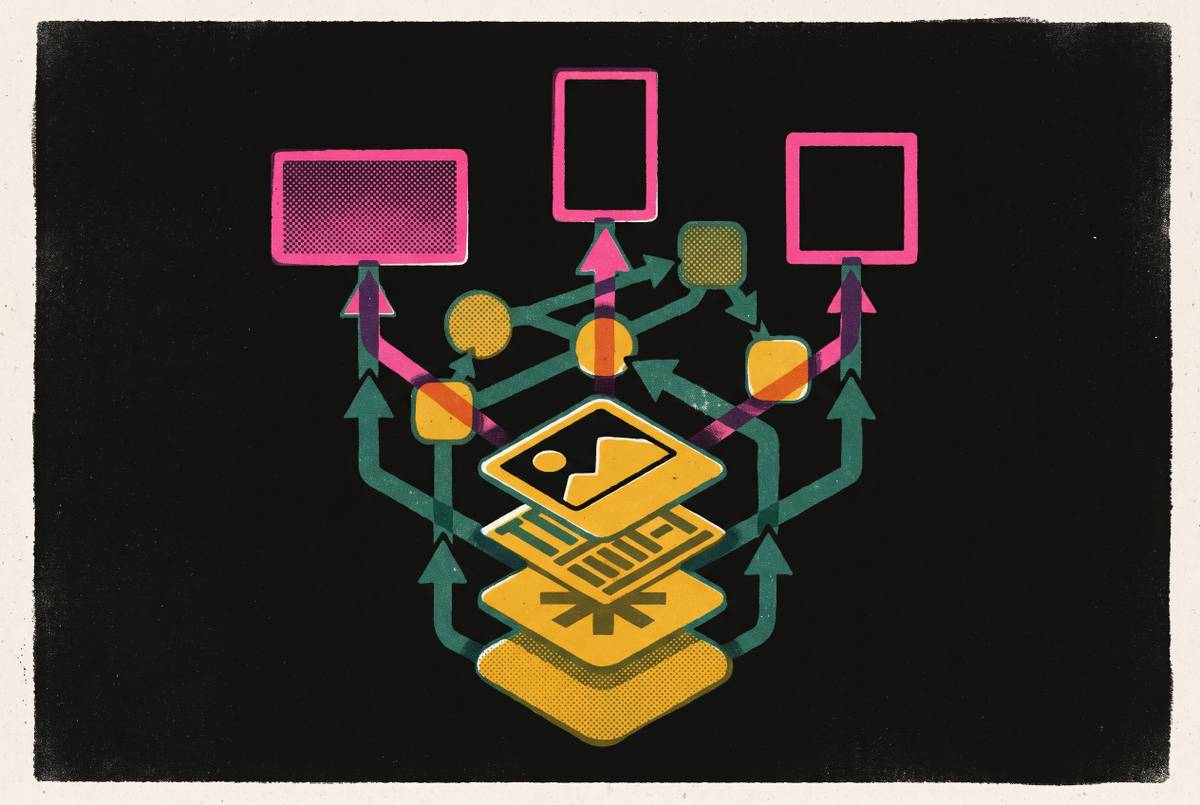
The five-layer model makes those distinctions concrete. The identity layer contains logos, colors, type, and shapes, without which an agent lacks the visual primitives. The style layer adds visual references and in-house fine-tuned models for image generation, giving those primitives a defined treatment. The narrative layer sets out the voice through tone schemas, approved vocabulary, banned phrases, and reading-level targets. Without it, words can read well and still sound unlike the brand.
The context layer defines channel variations, audience segments, and funnel-stage rules, so that the agent does not apply one treatment indiscriminately. The governance layer supplies approval workflows, usage rights, and versioning records. These layers connect expression to permitted use. Omitting governance leaves the agent with creative guidance but no reliable account of what it may ship.
JSON design tokens, voice schemas, and compliance rule sets make these distinctions actionable without human translation at every task. Semantic definitions make sure shared terms mean the same thing, while entity resolution finds the same asset in different systems. Lineage makes the context behind a decision auditable. Machine-checkable compliance flags then let an agent validate finished work with evidence for each check, rather than relying on a general instruction to stay on brand.
How do multiple AI agents access the same current brand?
A single canonical endpoint replaces the distributed copy by changing when and where agents obtain guidance. The brand lives in one machine-readable source, and agents query that source at inference time. They do not depend on material supplied at setup. The operating principle is one source, queried when needed.
This changes how updates reach production. When the source changes, subsequent inferences that query it receive the new version without someone redistributing instructions to every tool. By contrast, separate copies allow two agents to produce different answers to the same question about voice or palette. Both may faithfully follow their local instructions. The inconsistency comes from the separation between those instructions.
A live endpoint also needs more than current storage. When a voice definition changes, the system must trace which agents, assets, and downstream outputs depend on it so that the change can propagate. Editing the source does not fix work that has already been done. Dependency tracking connects the new definition to the work affected by it.
Versioning supplies the corresponding control over change. Recording brand updates as code is versioned makes the history auditable and rollback possible. This is the distinction between maintained state and a retrieved snapshot. Retrieval can deliver information, but the surrounding infrastructure must keep that information current and account for its dependencies.
How MCP makes a shared brand context layer work across agents and tools
MCP gives the shared brand layer a standard interface. Claude, ChatGPT, Cursor, and Visual Studio Code are among the tools in its ecosystem, allowing compatible clients to query one source rather than requiring a separate integration for each tool. Anthropic open-sourced MCP on November 25, 2024, and subsequently donated it to the Agentic AI Foundation, a directed fund under the Linux Foundation. It is open infrastructure.
For brand delivery, an MCP server can expose voice rules, visual identity, and permitted or prohibited uses before an agent generates text or imagery. Teams can switch between compatible tools without having to explain the brand again. The context remains separate from the assistant using it, while the protocol provides a common way to reach it.
That interoperability has a token-cost trade-off. MCP clients can load schemas for every connected server into context on every message, although some modern clients defer loading until a tool is called. Cost varies with tool count and description verbosity, so adding servers does not produce a uniform increase. A command-line invocation loads nothing until it is called, so the cost of loading that context stays flat. Teams optimizing high-volume workflows should weigh this difference rather than assuming that standardized access is free.
External connections also introduce a security surface. Tool poisoning is a real risk when agents can reach external servers. Production deployments need a trusted gateway model defining which MCP servers an agent may access, with audit trails. A common protocol simplifies access, but does not replace access governance.
What context rot does to brand consistency over time
A team can load increasingly detailed instructions and still see diminishing returns. Chroma's Context Rot report tested models from major providers and found that their performance becomes less reliable as input length grows. Even with a larger window, a model may not reliably use everything in it.
Brand workflows face two related forms of decay. Setup-time context becomes outdated as the brand changes, while an expanding context blob consumes working space and can become unreliable before the window fills. Even fresh context can be too long. Conversely, a short brief is not useful if its rules are obsolete.
Structured, task-scoped context retrieved when needed addresses both forms of decay. A brief containing the logo, type, colors, imagery, and voice rules relevant to the current job gives the agent a more focused reference than a full brand bible loaded at session start. Scope makes freshness practical.
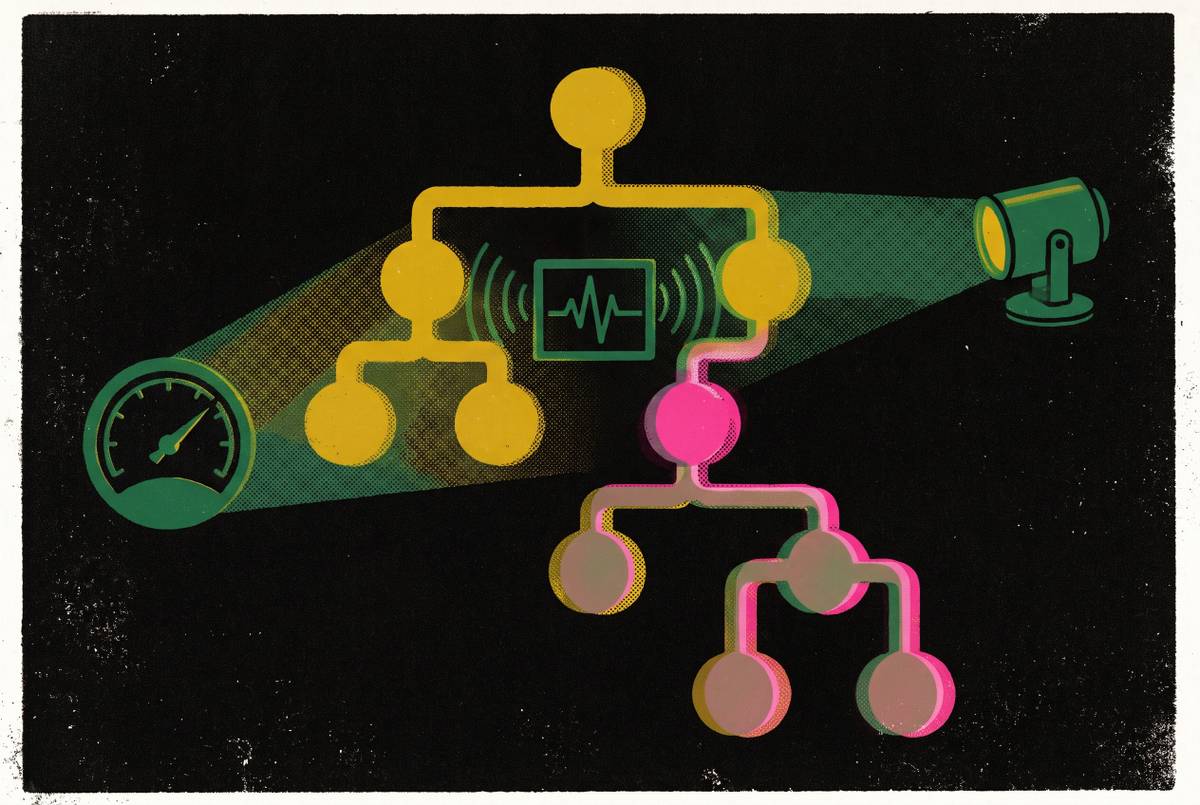
Observability completes that design by recording which brand context an agent used and when. When an output fails, that record helps show whether the rule was out of date or the agent applied it the wrong way. Teams can then fix the shared source. The objective is precise context with a traceable history.
How teams distributing production at scale use this architecture today
Alan, the health insurer, uses a Brand Voice Guardian agent through Dust to review content against its brand tone. Anyone in the company can use the agent, so departments can create on-brand content without sending every piece through marketing. The broader suite of Dust agents reduced customer story production from two days to a few hours.
Qonto uses a Tolki agent through Dust to access a database of localization instructions. The agent adapts content for French, German, Italian, and Spanish markets while maintaining the company's voice across emails, web pages, and social media.
Bloomberg used an MCP-based architecture to close the “productionization gap” between a working GenAI demo and a deployable, compliant application. It treated prompts and toolchains as configuration and built identity-aware, multi-tenant MCP servers. Across its engineering teams, the time to run experiments fell from days to minutes. This is an infrastructure example, rather than a brand-voice deployment, showing how shared configuration and governed access can support production work.
The same architecture lets sales, product, and customer success teams each create their own content while agents make sure it meets shared brand standards. For multi-brand agencies, a governed context layer also gives agents a shared source for policy. A policy change can then reach every agent reading that layer without manual redistribution.
What it takes to treat brand context as live infrastructure rather than a document
The operational shift requires a current, versioned source, a protocol-level connection, and a review step with traceable evidence. To put those commitments into practice, teams should first consolidate identity, guidance, and assets from websites, brand guides, or existing files into a structured repository. Each update should be recorded, available at the next inference, and reversible.
MCP-compatible tools, including Claude, ChatGPT, Cursor, and Codex, can query the brand layer directly, while products needing the same context can integrate through a REST API. Both surfaces should draw from the same source. That shared foundation allows a voice update to apply to agent-generated copy and product-generated content together.
Each job should receive only the relevant logo, type, colors, imagery, and voice rules. Finished work should then be checked against the current brand before shipping. The review needs evidence identifying the rules tested and the results.
Human responsibility remains explicit in this architecture. Agents do the work and check that it follows the brand, while brand strategists and writers still set high-level creative direction, make positioning decisions, and govern the context itself. The layer provides execution fidelity. Treating brand context as live infrastructure makes those human decisions enforceable at inference time, across agents, rather than leaving them as descriptions in a document.